Introduction to Salt Varieties
Salt is an essential ingredient in kitchens worldwide, but not all salts are created equal. Two of the most common types are Himalayan pink salt and regular table salt. While both serve as flavor enhancers, they differ significantly in composition, processing, and potential health benefits. Understanding these differences can help you make informed https://asnsgroup.co/ choices for cooking, seasoning, and overall health.
Mineral Content and Nutritional Value
Himalayan pink salt is celebrated for its rich mineral content, containing over 80 trace minerals including magnesium, potassium, calcium, and iron, which contribute to its characteristic pink hue. In contrast, regular table salt is highly refined, primarily consisting of sodium chloride, and often contains additives like anti-caking agents. While both provide sodium, pink salt offers a broader spectrum of minerals, though in small amounts, which may subtly support bodily functions.
Processing and Purity Differences
The production process sets these salts apart. Regular table salt undergoes extensive refining, bleaching, and processing to remove impurities, which results in a fine, uniform texture. It is also often fortified with iodine to prevent deficiencies. Himalayan pink salt, however, is minimally processed, preserving its natural mineral profile. Its coarse crystals make it less processed and free from chemical additives, appealing to those seeking a more natural seasoning option.
Flavor and Culinary Uses
Taste and texture are another major distinction. Himalayan pink salt has a mild, slightly earthy flavor due to its mineral content, making it ideal for finishing dishes, cooking on salt blocks, or even using in bath and spa treatments. Table salt has a sharper, more uniform saltiness, which dissolves quickly and works well in baking or recipes that require precise seasoning. Choosing the right salt can influence not only taste but also cooking technique.
Health Implications and Considerations
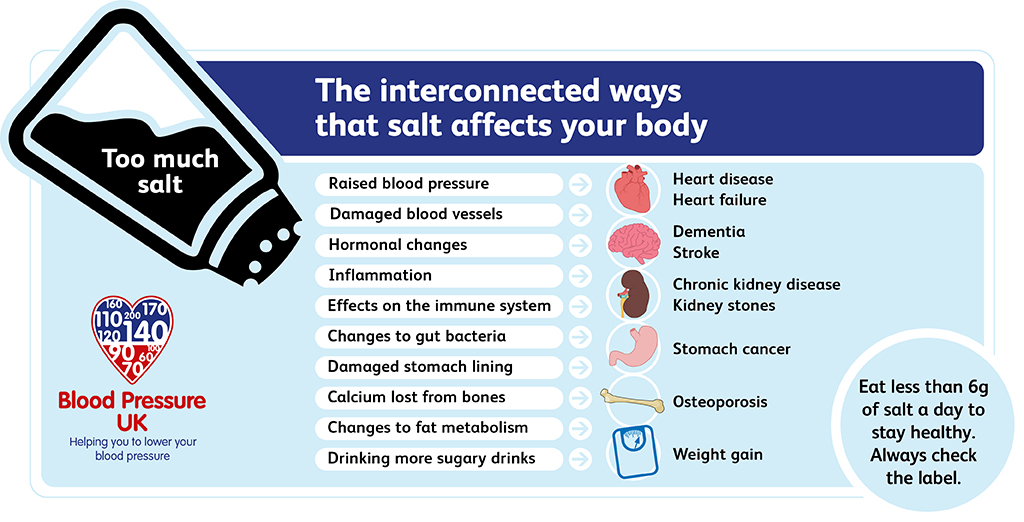
From a health perspective, moderation is key with any salt. Pink salt is often marketed as a healthier alternative due to its trace minerals, but these amounts are small, so the benefits are limited. Table salt’s iodine content supports thyroid function, which pink salt lacks unless fortified. Both should be consumed in controlled amounts to avoid high sodium intake, which can lead to hypertension and cardiovascular issues. Ultimately, the choice depends on taste preferences, dietary needs, and culinary applications.